Unified Data Flows Powering Integrated Mobile Platforms for Sports Analytics and Gaming Mechanics
Olivia Krause · May 16, 2026
Unified Data Flows Powering Integrated Mobile Platforms for Sports Analytics and Gaming Mechanics
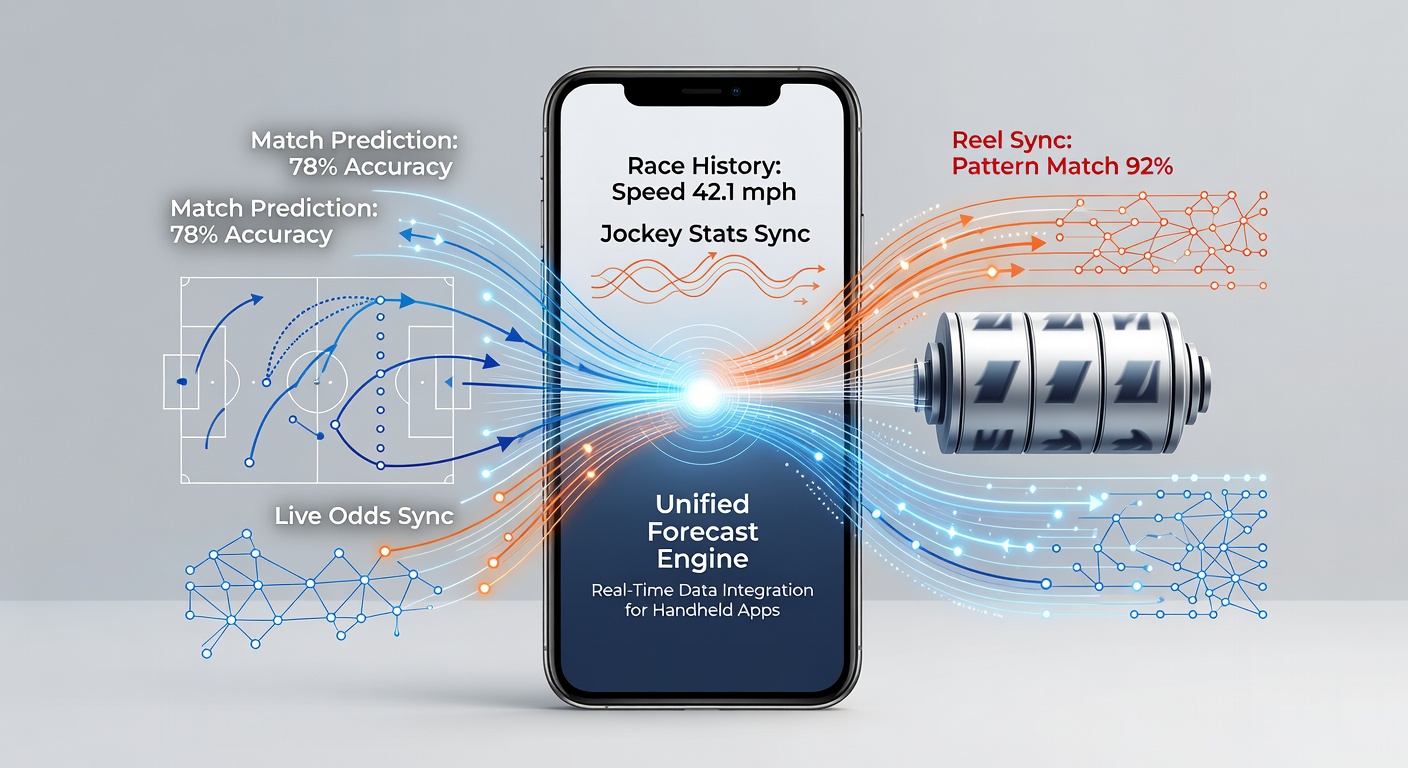
Developers continue to refine data synchronization patterns that merge soccer forecasts with thoroughbred statistics and reel mechanics inside handheld applications, creating seamless experiences across disparate data sources. These patterns rely on established approaches such as eventual consistency models, conflict-free replicated data types, and hybrid push-pull mechanisms that balance latency with accuracy. Real-time soccer forecasts require continuous updates from multiple APIs while thoroughbred statistics often arrive in scheduled batches from racing authorities, and reel mechanics depend on certified random number generators that must stay synchronized with user sessions to prevent discrepancies.
Core Synchronization Patterns in Practice
One common approach involves event-driven architectures where changes in soccer forecast models trigger immediate propagation to mobile clients, whereas thoroughbred data sets use delta synchronization to transmit only modified performance metrics after each race meeting. Reel mechanics integrate through state machine replication that ensures every spin outcome aligns with the certified sequence on the server side. Observers note that platforms handling these three domains together often deploy multi-master replication setups, allowing local caches on devices to resolve conflicts using vector clocks or last-writer-wins rules when network interruptions occur.
Research from the University of Nevada's gaming studies program indicates that effective merging of these data streams reduces session drop-off rates by maintaining consistent views across live forecasts, historical equine records, and interactive reel displays. The patterns also incorporate versioning protocols so that updates to soccer prediction algorithms do not overwrite verified thoroughbred statistics or alter certified reel probabilities.
Mobile-Specific Implementation Challenges
Handheld applications face bandwidth constraints and variable connectivity that demand adaptive synchronization strategies. Developers frequently combine WebSocket channels for soccer forecast streams with RESTful endpoints for thoroughbred statistics pulls, while reel mechanics rely on secure token exchanges to validate each outcome against the central generator. Data shows that implementing operational transformation techniques helps preserve user-initiated actions, such as placing a forecast-based selection alongside a reel spin sequence, even during temporary disconnects.
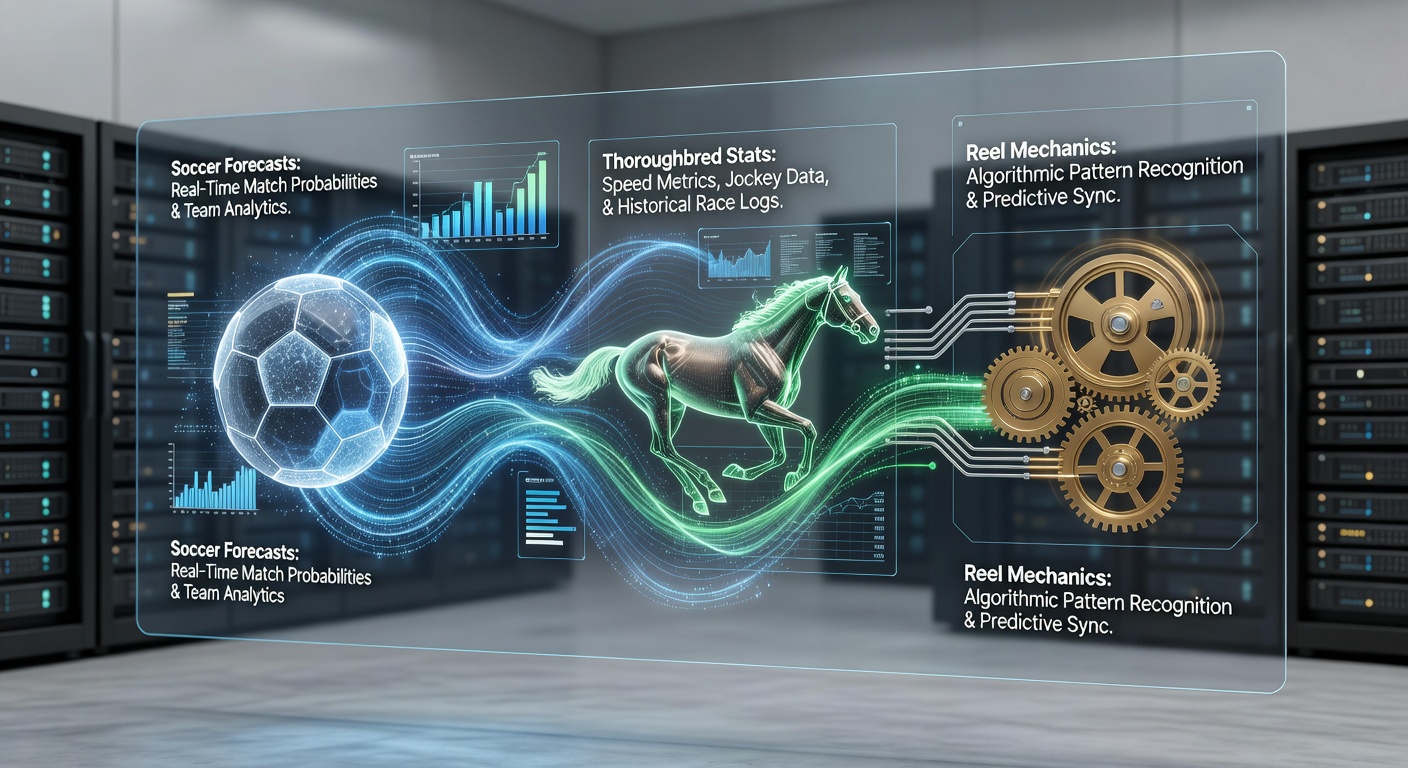
Industry reports from the Australian Institute of Criminology highlight how regulatory compliance in multiple jurisdictions requires auditable logs of every synchronization event across these data types. Platforms must demonstrate that reel outcomes remain independent of forecast or statistic inputs, which necessitates strict separation layers within the synchronization pipeline. Those who've studied these systems observe that edge computing nodes placed near major racing venues and stadiums help accelerate thoroughbred data delivery without compromising the integrity of soccer forecast timelines.
Emerging Trends Through 2026
By May 2026 several operators plan to roll out enhanced conflict-resolution modules that leverage machine learning to predict and preempt data clashes between live soccer updates and post-race thoroughbred revisions. These modules build on existing patterns by introducing predictive prefetching, where devices anticipate reel state changes based on user engagement with forecast sections. Figures from cross-border gaming associations reveal growing adoption of standardized synchronization frameworks that allow third-party analytics providers to feed soccer and equine data into unified mobile reels without exposing proprietary algorithms.
What's interesting is how these patterns also support cross-device continuity, letting users switch from phone to tablet mid-session while preserving the exact state of merged forecasts, statistics, and reel positions. The underlying protocols rely on CRDTs to guarantee convergence regardless of update order, a technique that has proven reliable in high-volume environments handling simultaneous soccer matches and race days.
Conclusion
Data synchronization patterns that successfully merge soccer forecasts, thoroughbred statistics, and reel mechanics continue to evolve within handheld applications, driven by technical requirements for consistency, regulatory demands for auditability, and user expectations for fluid interaction. The combination of real-time streams, batch updates, and certified generators creates complex but manageable systems when appropriate architectures are applied. As platforms prepare for further advancements scheduled around May 2026, the focus remains on maintaining separation of data domains while delivering unified mobile experiences that feel instantaneous and reliable.