Tracing Transaction Pathways: How Varied Funding Methods Intersect with Recurring Incentives Across Portable Football Wagers, Racing Markets, and Digital Reel Experiences
Kai Perry · Jun 29, 2026
Tracing Transaction Pathways: How Varied Funding Methods Intersect with Recurring Incentives Across Portable Football Wagers, Racing Markets, and Digital Reel Experiences
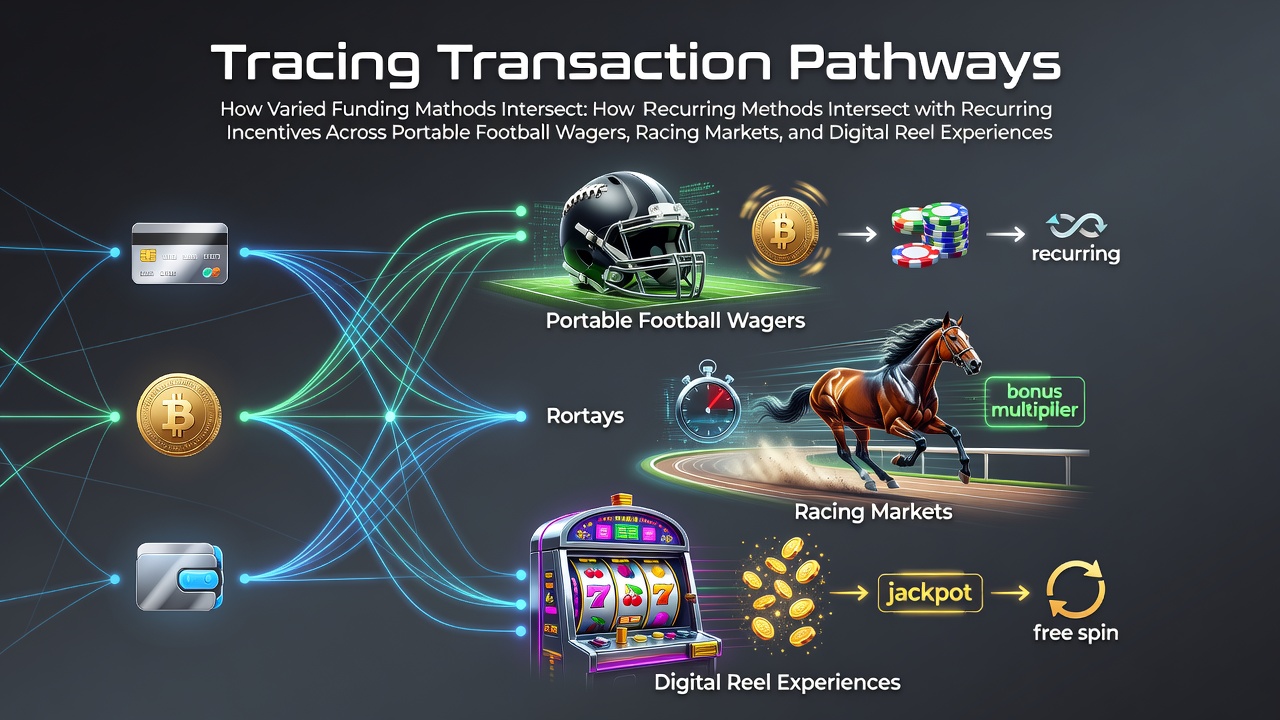
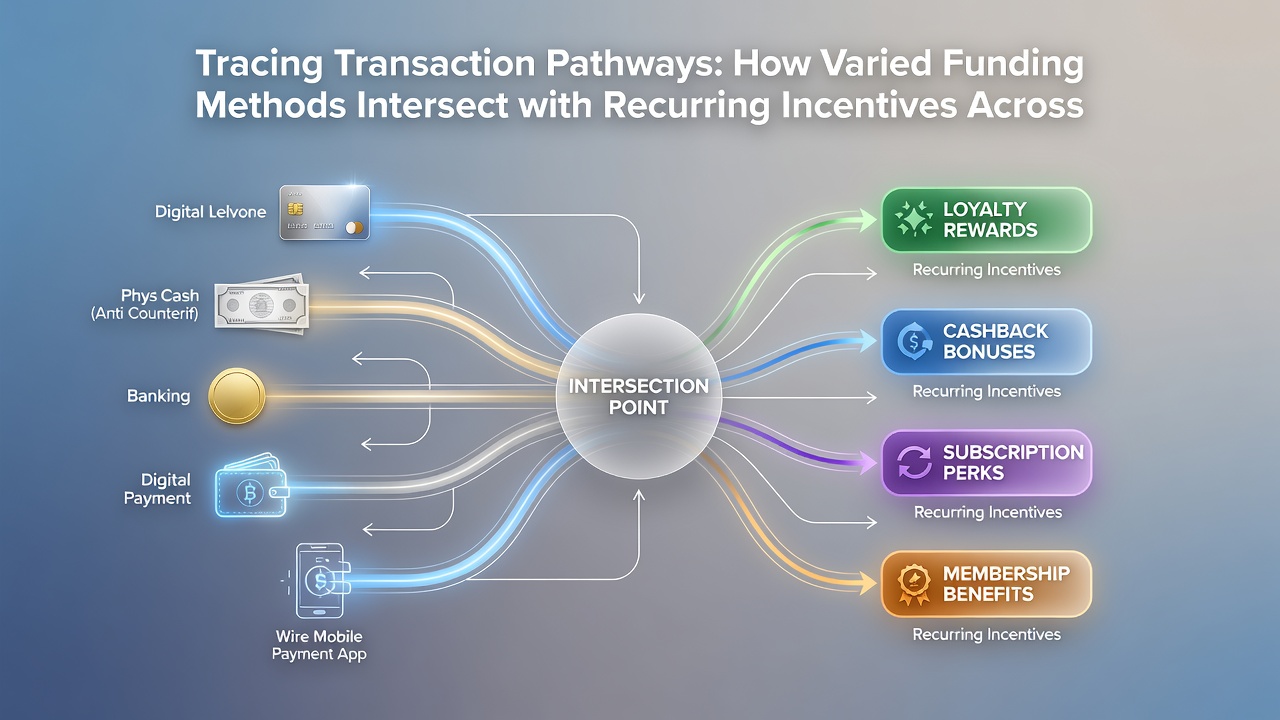
Payment routes in mobile betting environments connect multiple deposit options directly to loyalty structures that reward repeated activity, and data from mid-2026 shows these connections shape participation across football markets, horse racing platforms, and slot sessions. Funding channels such as electronic wallets, bank transfers, and prepaid cards move funds into accounts where recurring rewards activate based on volume or frequency, creating measurable patterns that differ by product type.
Mapping Core Funding Channels
Electronic wallets process deposits in seconds and pair naturally with points-based systems that accumulate on each transaction, whereas bank transfers introduce slight delays yet still trigger the same incentive layers once funds clear. Prepaid cards limit exposure while feeding into cashback cycles that return percentages on losses or wagers placed within set windows. Observers tracking June 2026 activity note that wallet users complete more deposit-withdrawal loops per week compared with card holders, which in turn accelerates the earning rate of recurring bonuses tied to those loops.
Incentive Structures That Repeat
Recurring rewards appear as tiered loyalty points, weekly cashback percentages, and reload matches that reset on schedule. These structures calculate value from transaction size and timing, so a user who deposits via wallet on a Tuesday receives the same percentage match as one who waits until Friday, yet the wallet path often generates additional points from faster settlement. Research from the Australian Gambling Research Centre indicates that platforms linking deposit speed to point multipliers see higher retention in racing markets, where live odds change quickly and repeated small deposits become common.
Football Wagers on Portable Devices
Mobile football betting relies on instant deposits during live matches, and recurring incentives such as goal-specific bonuses activate only after the initial funding clears. Wallet transfers allow punters to top up between halves without leaving the app, which aligns with loyalty tiers that award extra credits for consecutive in-play wagers. Figures from European regulatory summaries reveal that football-focused accounts using combined wallet and loyalty systems record average monthly transaction counts 18 percent higher than those limited to slower bank methods.
Racing Markets and Deposit Timing
Horse racing platforms emphasize pre-race deposits that feed into loyalty programs tracking both stake size and race frequency. Bank transfers still intersect with recurring rewards, but they require advance planning that reduces the number of races a user can engage with per session. E-wallet pathways shorten that gap and let recurring incentives apply across multiple meetings on the same day, producing the steady accumulation of tier points that unlock higher cashback rates by month end.
Digital Reel Sessions and Micro-Transactions
Slot experiences operate on shorter cycles where small, repeated deposits trigger daily or session-based rewards. Digital reels integrate with prepaid card funding that caps per-transaction amounts yet still feeds points into loyalty loops, while wallets enable rapid succession of spins that compound those same rewards. Data collected through June 2026 shows platforms offering instant reload matches after every fifth deposit achieve greater session length in reel games than those relying solely on end-of-week bonuses.
Intersection Points Across Product Types
Transaction pathways converge when a single account moves between football, racing, and slots, carrying accumulated loyalty status forward. A wallet deposit made for an in-play football wager can later fund a racing bet or slot session without resetting the incentive tier, and the platform records each move as part of the same recurring reward calculation. Reports from the Singapore National Council on Problem Gambling highlight that seamless movement across products correlates with steadier monthly spend patterns when deposit methods remain consistent.
Regulatory Context in Mid-2026
Authorities in multiple jurisdictions track how funding speed affects incentive uptake, and summaries released around June 2026 emphasize transparency requirements for displaying how points convert across different games. Platforms must now publish clear tables showing which deposit types qualify for recurring bonuses, reducing ambiguity for users who switch between wallets and cards. These disclosures apply equally to football, racing, and reel products, ensuring the intersection of payments and rewards follows uniform rules regardless of market.
Conclusion
Transaction pathways continue to link varied funding methods with recurring incentives across portable football wagers, racing markets, and digital reel experiences, and June 2026 data confirms measurable differences in activity volume tied to deposit speed. Consistent rules on disclosure and tier progression allow users to follow these connections across product types while maintaining the same loyalty status. Future platform updates will likely refine how micro-transactions feed into broader reward cycles without altering the core intersection already documented.