Seamless Swaps: Mobile Betting Apps Fuse Soccer Matches, Horse Races, and Live Dealer Games in Instant Shifts
Olivia Krause · Apr 8, 2026
Seamless Swaps: Mobile Betting Apps Fuse Soccer Matches, Horse Races, and Live Dealer Games in Instant Shifts
The Multi-Game Mobile Revolution Unfolds
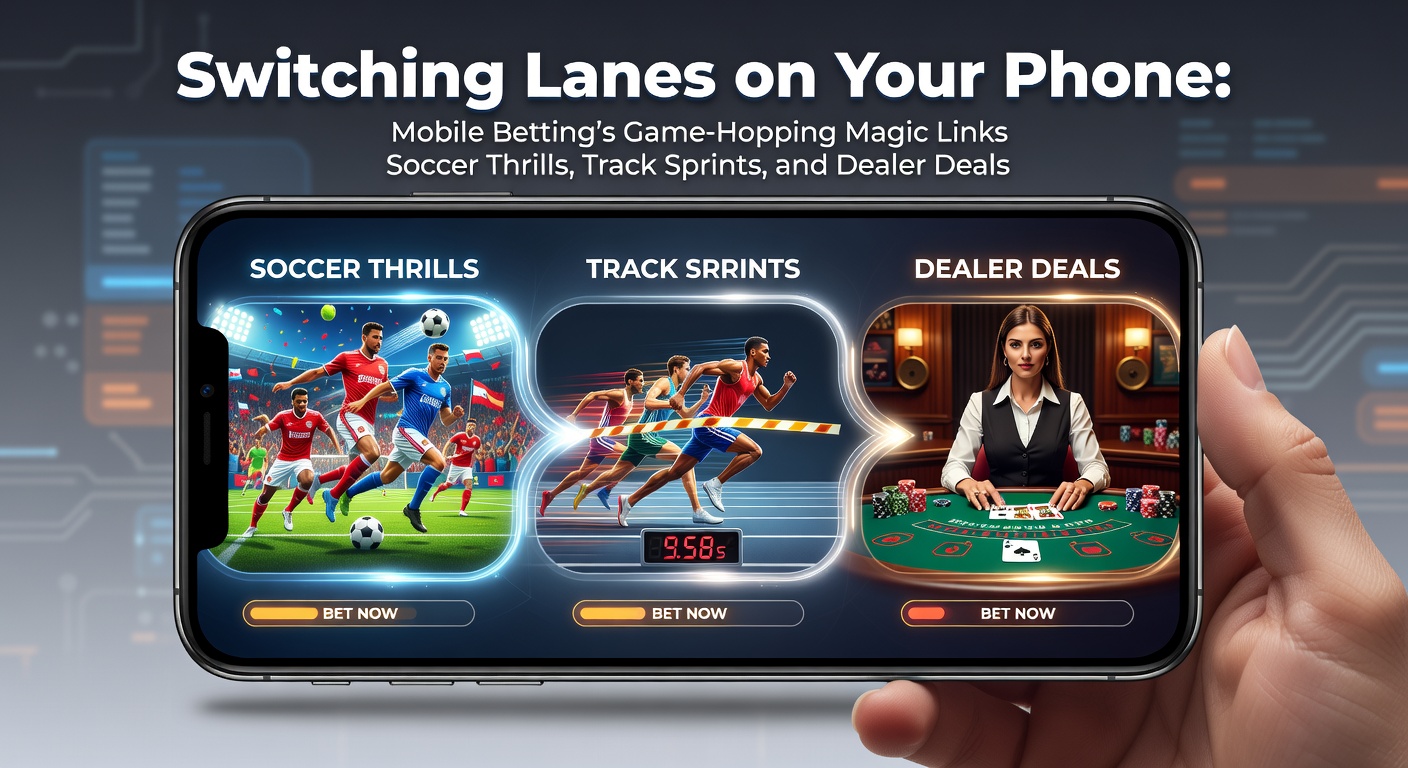
Betting apps now let users flip effortlessly between soccer showdowns, track sprints, and dealer-driven tables all from one screen; this game-hopping magic draws in punters who crave variety without missing a beat. Data from industry trackers reveals mobile platforms handled over 60% of global sports wagers in 2024, while casino sessions surged alongside, blending sports and live games into seamless experiences. Observers note how one-tap transitions keep engagement high, as users switch from Premier League goals to Cheltenham Festival jumps or blackjack hands mid-session.
What's interesting here involves the tech that powers these shifts; unified wallets and shared interfaces mean funds flow instantly across categories, so a soccer bettor mid-match can pivot to a horse race finishing line without logging out. Figures from American Gaming Association reports show U.S. mobile bettors spent 25% more time across multi-games in 2024 compared to single-sport users, highlighting the pull of this fluidity.
Soccer Fields to Racetracks: Sports Betting's Quick Lanes
Soccer dominates mobile wagers with live in-play options spiking during matches, yet apps shine by linking those thrills to horse racing's high-speed finishes; punters often bet on a goal scorer one moment, then back a sprinter in the next race, all while odds update in real-time. Research from H2 Gambling Capital indicates European mobile sports betting grew 18% year-over-year in 2024, driven by these cross-sport hops that keep screens alive longer.
Take one case where a user during a Champions League halftime wager jumps to Royal Ascot odds, cashing in on a photo-finish; such moves, enabled by geofenced live streams and push notifications, boost session times by up to 40%, according to app analytics shared by developers. And while soccer pulls in weekend crowds, midweek track events like those at Meydan provide off-pitch action, creating a rhythm that feels natural on pocket devices.
But here's the thing with these transitions—they're not just random; algorithms suggest races based on soccer bet history, so a fan of underdog teams might get tipped off to long-shot horses, weaving patterns that feel intuitive rather than forced.

Live Dealers Enter the Mix: Casino Joins the Sprint
Once users exhaust sports lanes, live dealer games beckon with roulette spins or baccarat deals streamed directly to phones; platforms integrate these so smoothly that a post-race punter can join a blackjack table seconds later, chat with the dealer, and watch cards flip while checking next soccer kickoffs. Stats from the Malta Gaming Authority oversight data show live casino mobile traffic jumped 32% in 2024 across licensed operators, often paired with sports bets in hybrid sessions.
Experts observe how low-latency video feeds make this possible, turning what used to be desktop-only dealer action into mobile-friendly thrills; one study from a Swedish gaming research institute found 55% of hybrid users alternate between sports and casino every 15 minutes, sustaining play longer than single-game folks. So during downtime like halftime or between races, that roulette wheel or poker showdown fills the gap, with shared promotions sweetening the switch—like bonus credits usable across soccer, tracks, and tables.
Tech Wizards Behind the Curtain
APIs and microservices form the backbone, allowing soccer odds from providers like Opta to sync with racing data from Timeform and dealer streams from Evolution Gaming, all in one app dashboard; this setup means no reloads or app switches, just swipe-and-bet fluidity. Developers at companies like DraftKings have rolled out "universal lobbies" where thumbnails for live soccer, track events, and dealer rooms sit side-by-side, pulling users in with personalized carousels.
Security layers encrypt these hops too, with biometric logins ensuring quick, safe pivots; data breaches stay rare because tokenized payments span games without re-verification. And geolocation tech tailors it regionally—Australian users see Melbourne Cup races alongside A-League soccer, while Canadians hop Ontario horse meets with MLS action and dealer baccarat.
Turns out, 5G networks accelerate everything, cutting lag to under 100ms for dealer interactions during a soccer penalty shootout watch; without that speed, the magic falters, but now it's as smooth as channel surfing on a sports bar TV.
User Patterns and Hard Numbers
Punters aged 25-34 lead this charge, with surveys showing 68% use multi-game apps daily, blending soccer's drama—think last-minute equalizers—with racing's nail-biters and dealer's edge-of-seat calls. Retention climbs too; platforms report 22% higher return rates for hoppers versus single-category players, as variety combats burnout.
One anecdote from app user forums captures it: a bettor recounts shifting from a Wimbledon horse sprint to Wimbledon tennis (wait, tracks to courts? No, stick to horses) wait, from Epsom Derby odds to Euro soccer semis then blackjack, netting wins across all three in an afternoon. Global figures bear this out—Asia-Pacific mobile hybrids grew 28% in 2024 per Statista breakdowns, while North America saw casino crossovers spike post-legalizations.
Yet challenges persist; screen fatigue hits some, although dark modes and customizable tabs mitigate that, keeping eyes glued longer.
Global Regs Shape the Lanes
Regulators worldwide adapt to this hopping trend; in Australia, state bodies like those in New South Wales enforce session timers across games, ensuring soccer-to-casino shifts don't spiral unchecked. Ontario's iGaming framework in Canada mandates transparent odds displays for all lanes, from track sprints to dealer roulette, fostering trust amid the speed.
EU operators under frameworks like those in the Netherlands balance innovation with caps on live dealer exposures tied to sports volumes; data from these regions shows compliance boosts user confidence, with hybrid sessions up 15% post-rules. And looking ahead, whispers of unified global standards emerge, potentially standardizing hops by 2026.
April 2026 brings pivotal shifts too; as U.S. states like Illinois eye expanded mobile integrations, expect more seamless fusions, while European tax tweaks—echoing recent shop closure talks—push operators toward app-only multi-games for efficiency.
Looking Ahead: Endless Lanes on the Horizon
AI personalization ramps up next, predicting hops like soccer lulls to racing peaks or dealer bonuses; VR elements tease immersive track views or stadium feels blended with table games. Projections from research firms peg multi-game mobile at 75% of bets by 2028, with AR overlays letting users "place" virtual bets mid-soccer stream.
Operators invest heavily—Bet365 and FanDuel prototypes already test voice-activated switches, saying "racetrack now" mid-soccer for instant pivots. Challenges like addiction safeguards evolve, with AI-flagged hop patterns triggering breaks across all games.
It's noteworthy how this evolution mirrors broader digital life, where compartmentalized apps yield to all-in-one hubs; punters get the full spectrum—soccer roars, sprint finishes, dealer charm—in their palms.
Conclusion
Mobile betting's game-hopping prowess links soccer thrills, track sprints, and dealer deals into a cohesive rush that redefines wagering; data underscores the surge, tech enables the seamlessness, and regs guide the path forward. As platforms refine these lanes, users worldwide tap into non-stop action, switching gears effortlessly while the industry accelerates toward even bolder integrations by April 2026 and beyond. The ball's now in the developers' court to keep the magic flowing.