Portable Platforms Synchronize Soccer Selections, Racing Analytics, and Reel Automation via Streamlined Fund Routing
Eden Lange · Aug 22, 2026
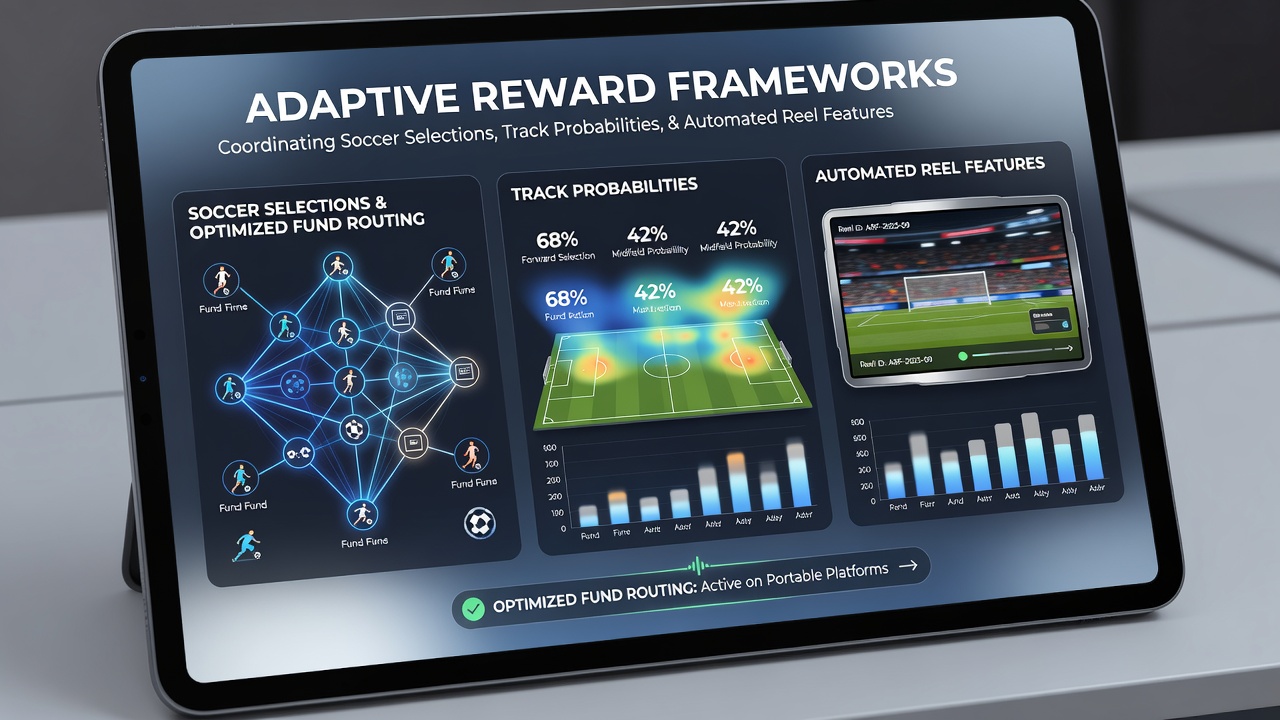
Portable Platforms Synchronize Soccer Selections, Racing Analytics, and Reel Automation via Streamlined Fund Routing
Adaptive reward frameworks on portable platforms now link soccer selections with track probabilities and automated reel features through optimized fund routing systems, and these integrations have expanded notably as of August 2026. Developers deploy algorithms that adjust reward allocations based on user activity across verticals, routing deposits and withdrawals to maintain balance between different game types without separate transactions for each category.
Core Mechanics of Cross-Vertical Coordination
Platforms use real-time data feeds to monitor selections in soccer markets alongside probability models for horse racing events, and they feed this information into unified reward engines that trigger bonuses across slots when certain thresholds are met. Automated reel features respond to these signals by adjusting payout structures or bonus round frequencies, while fund routing protocols move balances between wallets dedicated to sports, racing, and casino sections to prevent delays during active sessions.
Operators report that such systems reduce processing times for multi-vertical users, and data from industry reports shows transaction volumes rising when routing optimization is active. One study from the University of Nevada Reno examined similar frameworks and found measurable improvements in session continuity when fund allocation followed predictive patterns derived from user history.
Role of Probability Tracking in Reward Adjustments
Track probability modules calculate odds updates for racing events and share outputs with the central reward coordinator, which then applies multipliers or free spin credits to reel-based games when soccer or racing activity reaches predefined levels. This coordination relies on API connections that push probability shifts directly into the reward logic, allowing automated responses without manual intervention from operators or players.
Portable applications implement these links through background processes that operate while users switch between interfaces, and the routing layer ensures that any earned rewards appear in the appropriate fund pool within seconds. Observers note that platforms adopting this approach handle higher volumes of concurrent bets and spins during peak periods compared with earlier separate-system designs.
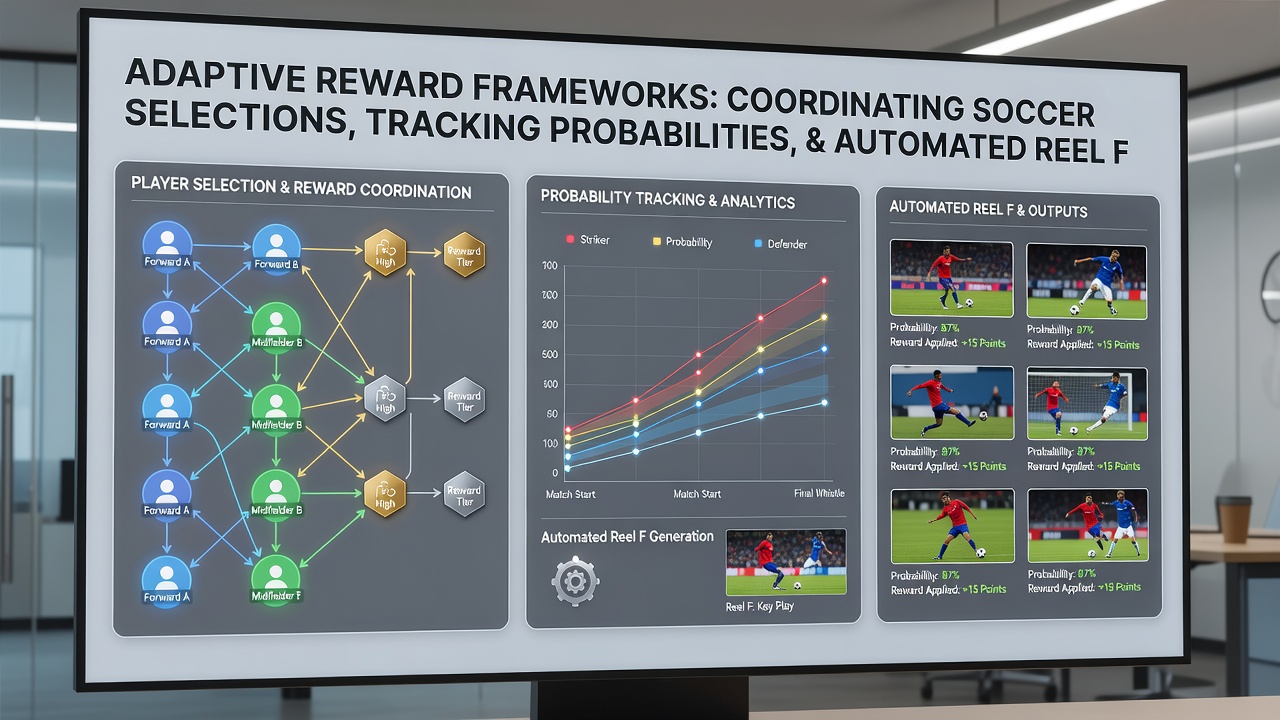
Fund Routing Optimization on Mobile Devices
Optimized fund routing on portable platforms employs encryption and batching techniques to move capital between soccer, racing, and reel accounts while complying with regional financial standards. The system prioritizes low-latency paths for active users and applies dynamic fee structures that reflect overall engagement across categories rather than isolated transactions.
Regulatory filings from the Australian Communications and Media Authority indicate that mobile operators incorporating these routing methods recorded steadier user retention metrics through the first half of 2026. Developers continue to refine the underlying models by incorporating additional data points such as device location and connection stability to further smooth fund movements.
Implementation Patterns Across Global Markets
Markets in North America and parts of Asia have seen wider deployment of these coordinated frameworks since late 2025, with portable platforms adapting reward logic to local betting regulations without altering the core routing architecture. Soccer selections often serve as entry points that feed into racing probability calculations, which in turn influence reel automation parameters for users who maintain activity in multiple areas.
Industry associations such as the American Gaming Association have documented case examples where integrated systems allowed operators to offer tiered loyalty incentives that span sports and casino verticals through a single fund management layer. These examples demonstrate how probability data from one segment directly informs reward eligibility in another without requiring users to navigate separate balance transfers.
Technical Components Supporting the Framework
The architecture typically includes a central orchestration service that pulls live soccer odds, racing probability updates, and reel state information into a shared decision engine. This engine evaluates user patterns and issues routing instructions that allocate incoming funds or generated rewards to the most relevant pool while maintaining overall account totals.
Security protocols wrap each routing event, and logging mechanisms record every adjustment for compliance review. Portable devices execute lightweight versions of the coordination logic to reduce server load, and fallback procedures ensure continuity if network conditions interrupt real-time feeds.
Conclusion
Adaptive reward frameworks continue to evolve on portable platforms by tightening the connections between soccer selections, track probabilities, and automated reel features through precise fund routing. As of August 2026, these systems operate across multiple jurisdictions with increasing technical sophistication, and available data from regulatory and academic sources shows consistent patterns of improved transaction efficiency when coordination layers remain active. Further refinements are expected as operators incorporate additional data streams while preserving the core integration model.