Payment Trends Among Smartphone Users Active in Football Betting and Casino Offers
Taylor Wolf · Jul 9, 2026
Payment Trends Among Smartphone Users Active in Football Betting and Casino Offers
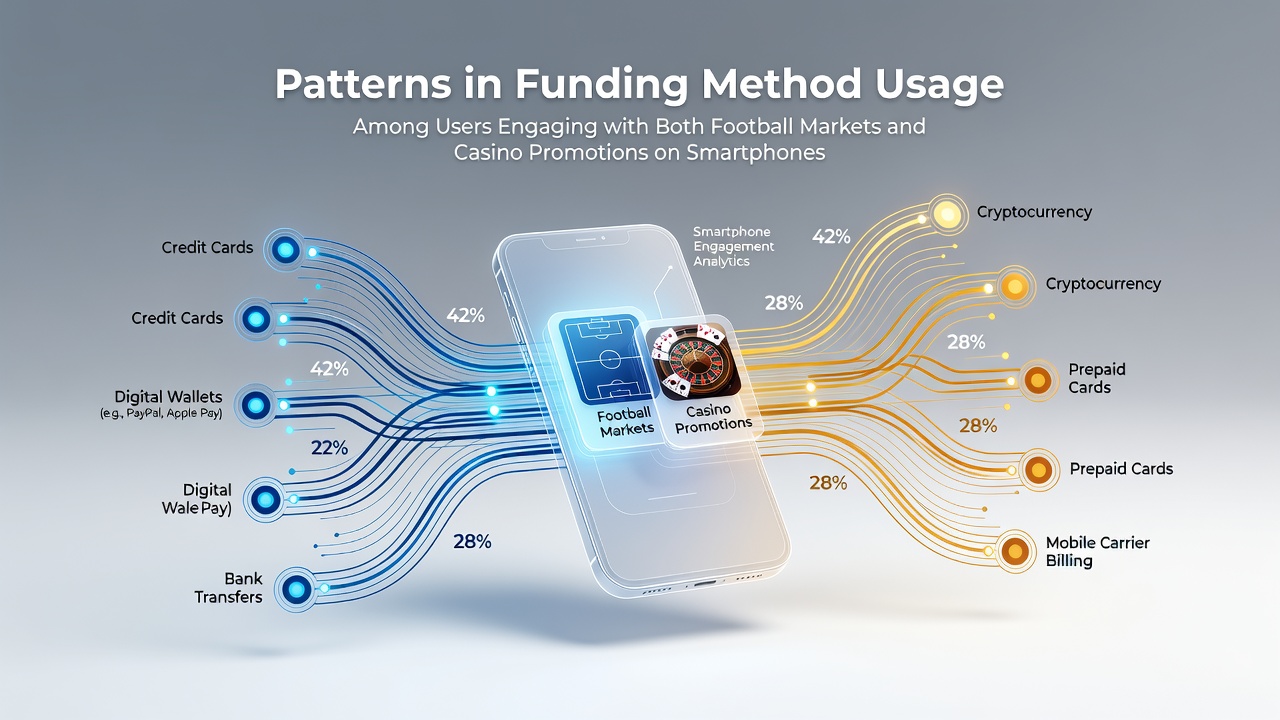
Smartphone users who participate in both football markets and casino promotions demonstrate distinct patterns in how they fund their accounts, according to aggregated industry data from multiple regions. These individuals often switch between live match odds and slot or table game bonuses within the same session, which influences their choice of deposit methods that support rapid transfers and minimal friction. July 2026 figures from several markets show continued growth in mobile activity across both categories, with funding habits reflecting a preference for methods that allow seamless movement between sports and casino features.
Common Funding Methods in Dual-Engagement Scenarios
E-wallets such as PayPal and Skrill account for a significant share of deposits among users who engage with football markets and casino promotions on smartphones. These services enable instant funding and withdrawals, which suits the pace of live betting alongside promotional spins or bonus rounds. Credit and debit cards remain popular for initial deposits, yet repeat users frequently shift to digital wallets after the first transaction because of faster processing times and built-in spending controls. Bank transfers appear less often in this group because they typically involve longer confirmation periods that interrupt the flow between a football wager and a casino promotion claim.
Data collected across North American and European operators indicates that Apple Pay and Google Pay have gained traction since 2025, particularly among users aged 25 to 44 who maintain multiple active accounts. These contactless options integrate directly with smartphone operating systems, reducing the steps needed to move funds while switching between football odds and casino lobbies. Cryptocurrency deposits, while still a smaller segment, show steady uptake in jurisdictions where regulations permit them, especially among users seeking additional privacy during combined betting and gaming sessions.
Behavioral Patterns Across Sessions
Users who alternate between football markets and casino promotions tend to initiate deposits at specific moments, such as immediately after a match event or upon receiving a time-limited casino bonus notification. Research from the University of Nevada, Las Vegas International Gaming Institute highlights that these timing patterns correlate with higher use of instant-payment solutions rather than traditional card entries that require manual input of details on smaller screens. Observers note that session length influences method selection, with shorter mobile interactions favoring one-tap options and longer sessions incorporating saved wallet credentials for repeated small deposits.
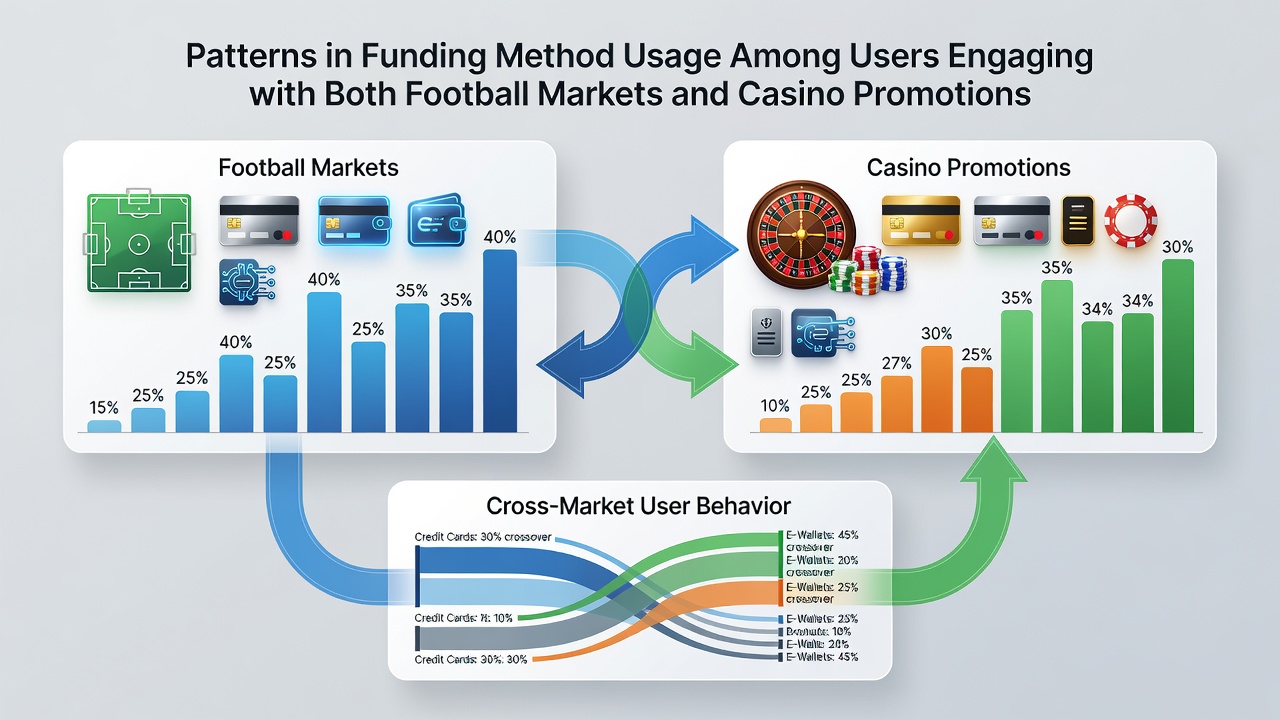
Studies conducted in Australia and reported by the Australian Gambling Research Centre reveal that users engaging across both verticals often maintain higher average deposit frequencies than single-category participants. The data shows a measurable tilt toward e-wallets during evening hours, when football fixtures overlap with casino promotional windows. This overlap creates brief windows where users reload accounts multiple times within one hour, a behavior that favors methods with low minimum thresholds and immediate confirmation.
Regional Variations in Method Preference
Patterns differ by jurisdiction due to regulatory frameworks and available payment infrastructure. In Canadian provinces with regulated online gaming, Interac e-Transfers appear alongside e-wallets for users who combine football markets with casino offers. Australian data indicates strong adoption of POLi and similar bank-linked services that provide direct account access without storing card information on the device. European markets outside the UK display elevated use of local instant banking solutions such as Trustly and Klarna, which support the quick transitions observed in dual-engagement behavior.
Payment method loyalty also varies, with users in some regions sticking to a single wallet provider across both football and casino activity, while others rotate between two or three options to take advantage of different bonus structures tied to specific deposit types. Industry reports from the European Gaming and Betting Association document these rotations without attributing them to any single cause, noting only that the behavior appears consistently among accounts active in both categories.
Impact of Promotions on Funding Choices
Promotional structures tied to specific payment methods further shape usage. Operators frequently attach bonus funds or free spins to e-wallet deposits, which aligns with the observed preference among dual users. When football markets offer enhanced odds that require a qualifying stake, and casino promotions simultaneously provide deposit-matched rewards, users respond by selecting the funding route that unlocks both incentives in one transaction. This coordinated approach appears in transaction logs across multiple operators, where the same payment method services both the sports and casino sides of an account within minutes.
July 2026 tracking data suggests that mobile-specific incentives, such as reduced fees on certain wallets during major football tournaments, have reinforced these established patterns rather than creating entirely new ones. The consistency across different regulatory environments points to user-driven preferences that operators accommodate through their payment integrations.
Conclusion
Patterns in funding method usage among smartphone users active in both football markets and casino promotions reflect a clear emphasis on speed, integration, and promotional alignment. E-wallets and contactless options dominate because they support the fluid movement between categories that characterizes this user group. Regional differences persist yet share the common thread of favoring methods that minimize disruption during combined sessions. Continued monitoring of transaction data through 2026 and beyond will clarify whether these trends stabilize or shift with new payment technologies and regulatory adjustments.