Pattern Recognition Systems Illuminate User Navigation in Consolidated Mobile Gambling Platforms
Eden Lange · Jun 4, 2026
Pattern Recognition Systems Illuminate User Navigation in Consolidated Mobile Gambling Platforms
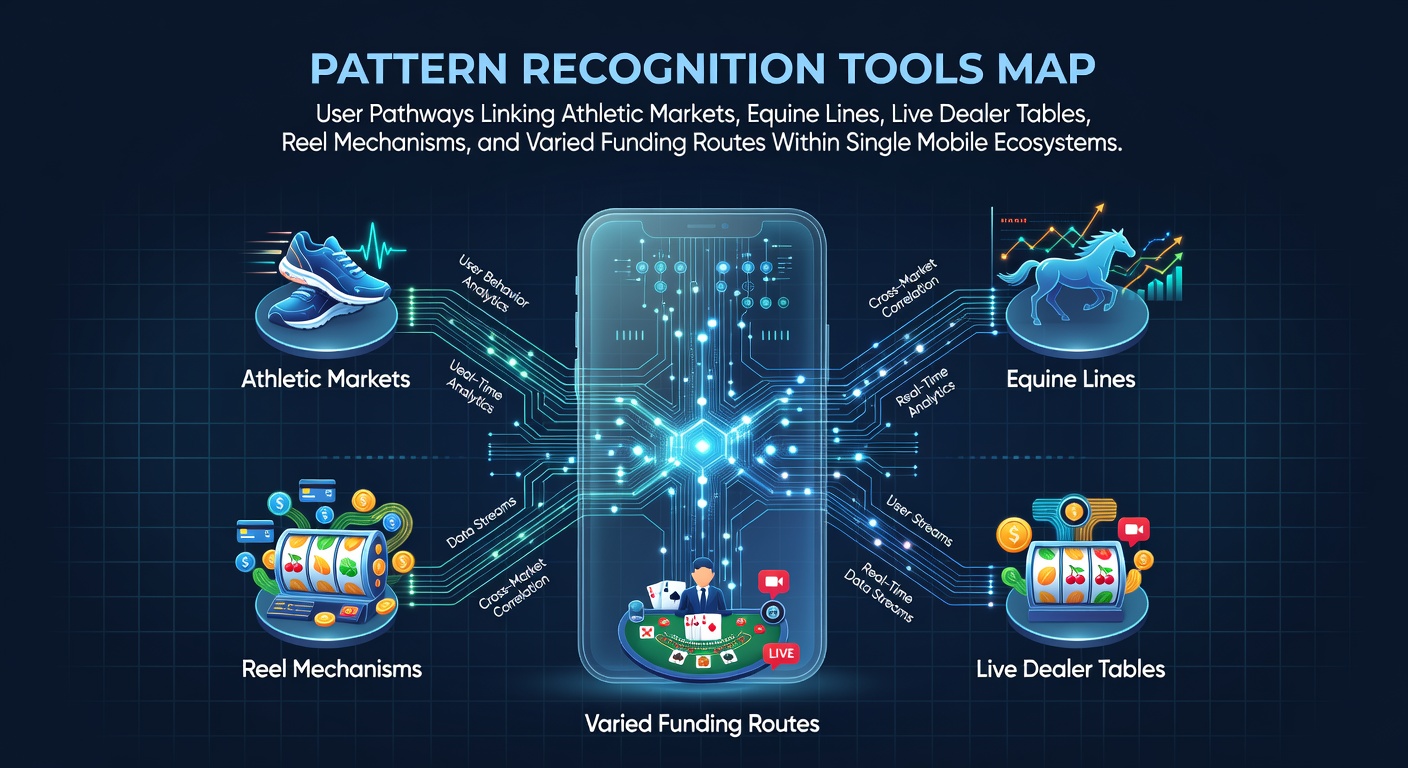
Pattern recognition tools operate within mobile ecosystems that combine athletic markets, equine lines, live dealer tables, reel mechanisms, and varied funding routes into unified interfaces, and these systems process large volumes of user interaction data to identify sequences that span multiple product categories.
Data Collection Across Integrated Features
Operators deploy algorithms that track sequences beginning with sports wagers on athletic events, then moving to equine betting lines, followed by sessions at live dealer tables or interactions with reel mechanisms, while payment data from diverse funding routes gets logged simultaneously; the tools apply clustering methods to group these behaviors into recognizable patterns that reveal how users transition between categories without leaving the single application.
Studies from research institutions show that such mapping occurs in real time, with timestamps and session durations serving as key variables that connect an initial deposit through one funding method to subsequent activity across sports markets or casino features, and this approach allows platforms to maintain records of cross-category engagement that previously required separate tracking systems.
Pathway Mapping in Multi-Product Environments
One documented pathway starts with a user accessing athletic markets via quick links, proceeds to equine lines after a short interval, incorporates a live dealer table session funded by an e-wallet transfer, and concludes with reel mechanism spins using accumulated credits, while the recognition software flags the entire sequence as a single behavioral cluster; data from industry reports indicates these patterns appear consistently across user bases in regions served by platforms that operate under frameworks established by bodies such as the European Gaming and Betting Association.
Algorithms differentiate between linear progressions, where users move predictably from one category to another, and branching routes that revisit funding options mid-session, and this distinction helps operators understand how varied transaction methods influence the length and frequency of combined activity involving sports, racing, tables, and reels.
Role of Funding Route Analysis
Varied funding routes receive particular attention because payment choice often precedes shifts in product usage, with pattern tools correlating credit card deposits to extended athletic market sessions, cryptocurrency transfers to equine line explorations, and digital wallet entries to live dealer table or reel mechanism activity; figures from academic sources reveal that these correlations strengthen when multiple funding methods appear within the same mobile session.

Platforms scheduled for compliance updates ahead of June 2026 regulatory adjustments have begun integrating enhanced recognition layers that monitor funding route switches in greater detail, and this development aligns with broader industry efforts to maintain accurate records of user movement across all available features.
Technical Implementation and Observed Outcomes
Machine learning models trained on historical session logs identify anomalies such as abrupt shifts from high-volume reel mechanism play to equine line bets funded by new accounts, and operators apply these detections to adjust interface elements that guide users along established pathways; reports from the Responsible Gambling Council document how similar analytical approaches have been examined in Canadian mobile environments that combine multiple gambling verticals.
The systems also measure dwell times at each stage of a pathway, allowing comparison between sessions that include live dealer tables versus those focused on athletic markets, while funding route data adds another dimension that shows whether certain payment options correlate with longer overall engagement periods spanning several product types.
Conclusion
Pattern recognition tools continue to evolve in their capacity to map user pathways that link athletic markets, equine lines, live dealer tables, reel mechanisms, and varied funding routes inside single mobile ecosystems, and ongoing data collection supports the refinement of these mapping processes as platforms prepare for operational changes expected in June 2026.