Integrated Reward Networks Connecting Racetrack Bets to Virtual Reel Gaming via Adaptive Payment Systems
Kai Hoffmann · Jun 8, 2026
Integrated Reward Networks Connecting Racetrack Bets to Virtual Reel Gaming via Adaptive Payment Systems
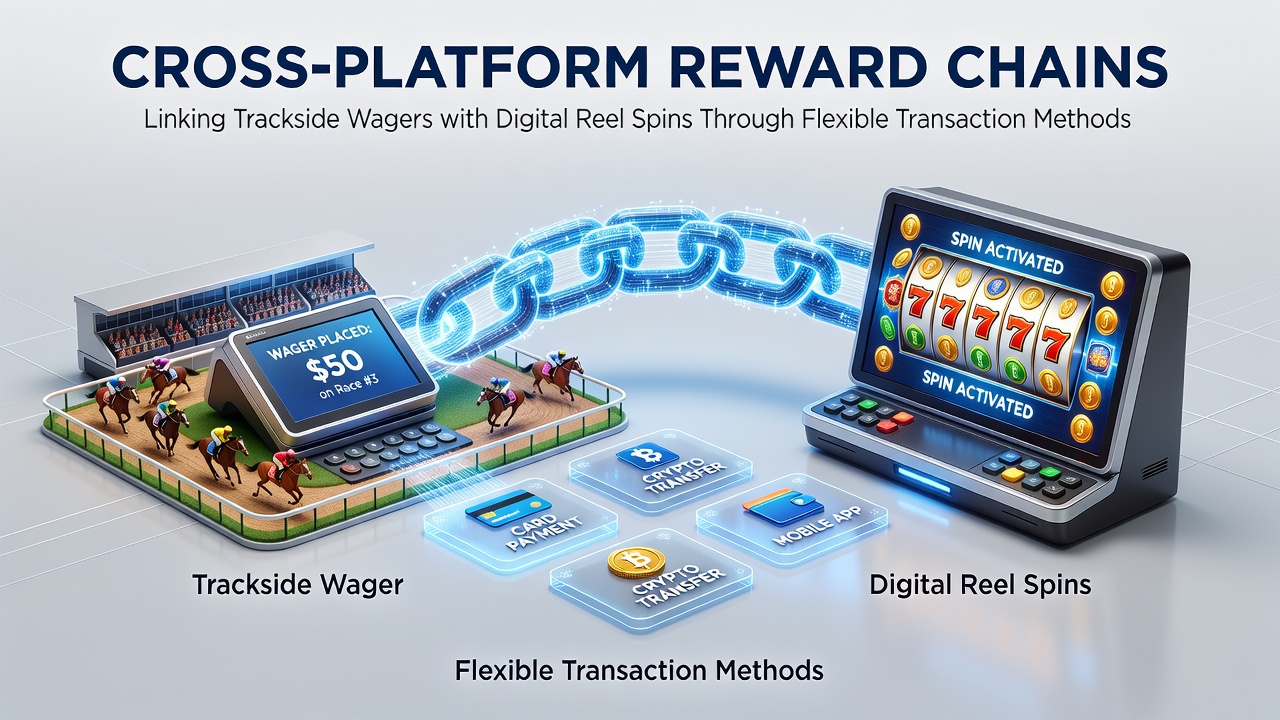
Integrated reward networks now link racetrack wagers directly to virtual reel gaming through shared loyalty structures and flexible transaction systems that move points or credits across platforms in real time. These setups allow participants to convert earnings from live horse racing bets into playable balances on digital slot machines without separate accounts or manual transfers. Data from industry reports shows steady expansion of such systems across multiple operators since early 2025 with particular acceleration noted in June 2026 when several platforms introduced updated wallet integrations.
How Reward Chains Operate Across Platforms
Operators build these chains by assigning unified player profiles that track activity at both physical racetracks and online casino environments. A wager placed on a thoroughbred event at a licensed venue immediately registers toward a central rewards ledger while the same ledger applies accumulated value to reel-based games accessed via mobile applications. Researchers at academic institutions have documented that this unified tracking reduces friction in reward redemption and increases session continuity for users who move between betting formats throughout a single day.
Transaction flexibility comes from instant payment rails that support multiple currencies and settlement speeds. E-wallets, bank transfers, and prepaid cards feed into the same profile so credits earned on the track convert seamlessly into reel spins. One study released in mid-2026 highlighted that average conversion times dropped below three seconds on leading networks after software updates rolled out in the preceding quarter.
Payment Methods Driving Cross-Format Engagement
Flexible transaction options include digital wallets that process both incoming deposits and outgoing winnings across racing and casino verticals. These systems often incorporate API connections between racetrack terminals and online gaming servers allowing real-time balance synchronization. Figures from the European Gaming and Betting Association reveal that platforms using multi-method payment gateways recorded higher cross-format activity levels compared with single-channel operators during the first half of 2026.
Security protocols remain consistent across these chains through tokenization and encryption standards applied uniformly to every transaction type. Observers note that this consistency helps maintain regulatory compliance when funds move between licensed land-based and digital environments.
Developments Observed in June 2026
June 2026 marked several platform expansions where new reward tiers were introduced to encourage combined participation in trackside events and digital reel sessions. These tiers automatically adjust point multipliers based on total activity across both formats rather than treating them as isolated products. Industry data indicates that operators implementing these adjustments saw measurable increases in average user retention metrics within the first thirty days of deployment.
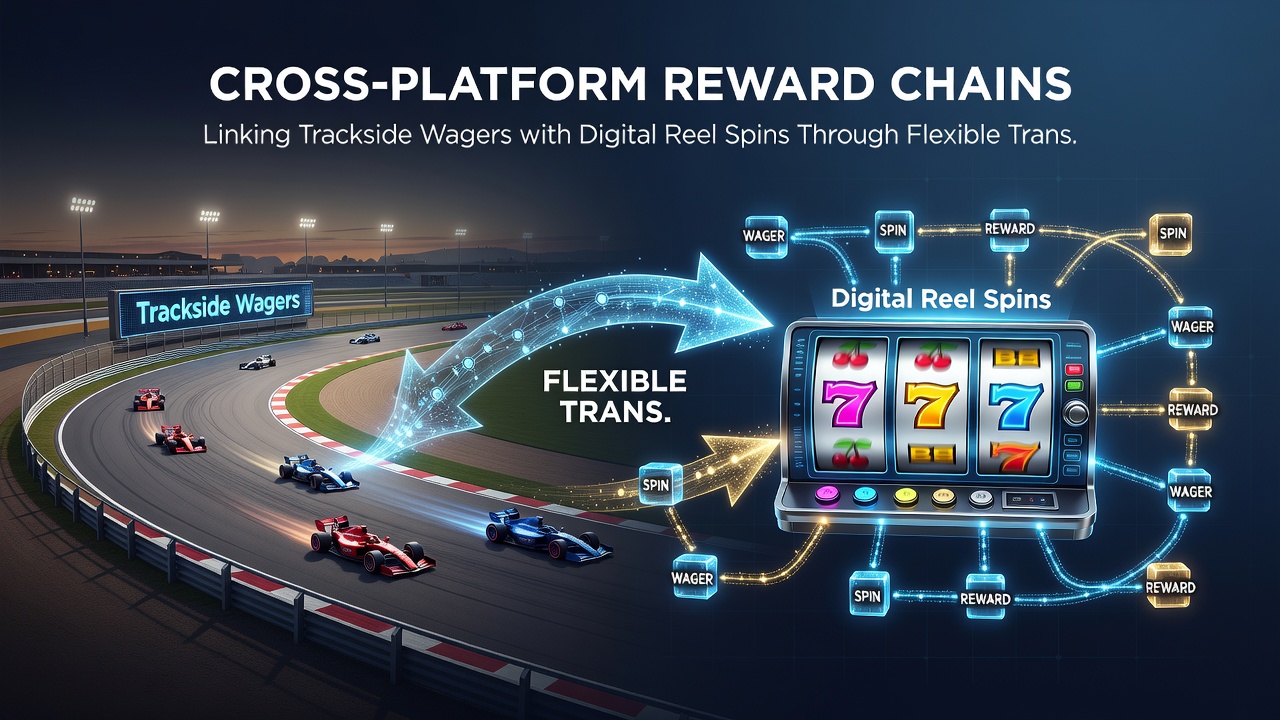
Additional updates involved partnerships with payment processors that specialize in low-latency transfers suitable for both high-volume racing pools and frequent small reel transactions. A report compiled by the Canadian Gaming Association documented similar integration patterns emerging in North American markets around the same period suggesting broader international adoption of these reward chain models.
Examples of System Implementation
Take one major European operator that synchronized its racetrack betting terminals with an online casino portfolio through a single loyalty application. Participants placing wagers on live races automatically earned reel credits redeemable within the same hour on mobile devices. Another case involved an Australian platform that introduced currency-agnostic transfers allowing international users to move value between formats without exchange delays.
These implementations rely on backend ledgers that log every transaction across formats while presenting users with a unified balance view. Researchers have observed that such transparency correlates with higher overall platform usage rates when compared against fragmented reward programs.
Conclusion
Cross-platform reward chains continue to evolve through refined payment integrations that connect racetrack activity with digital reel gaming under unified tracking systems. Data collected through 2026 demonstrates consistent technical improvements in transfer speeds and profile synchronization across multiple regions. These developments rest on established payment infrastructure and loyalty mechanics rather than isolated product features.