Exploring Transaction Routes: Effects on Continued Involvement in Soccer Markets, Equine Betting, and Smartphone Gaming Platforms
Eden Lange · May 23, 2026
Exploring Transaction Routes: Effects on Continued Involvement in Soccer Markets, Equine Betting, and Smartphone Gaming Platforms
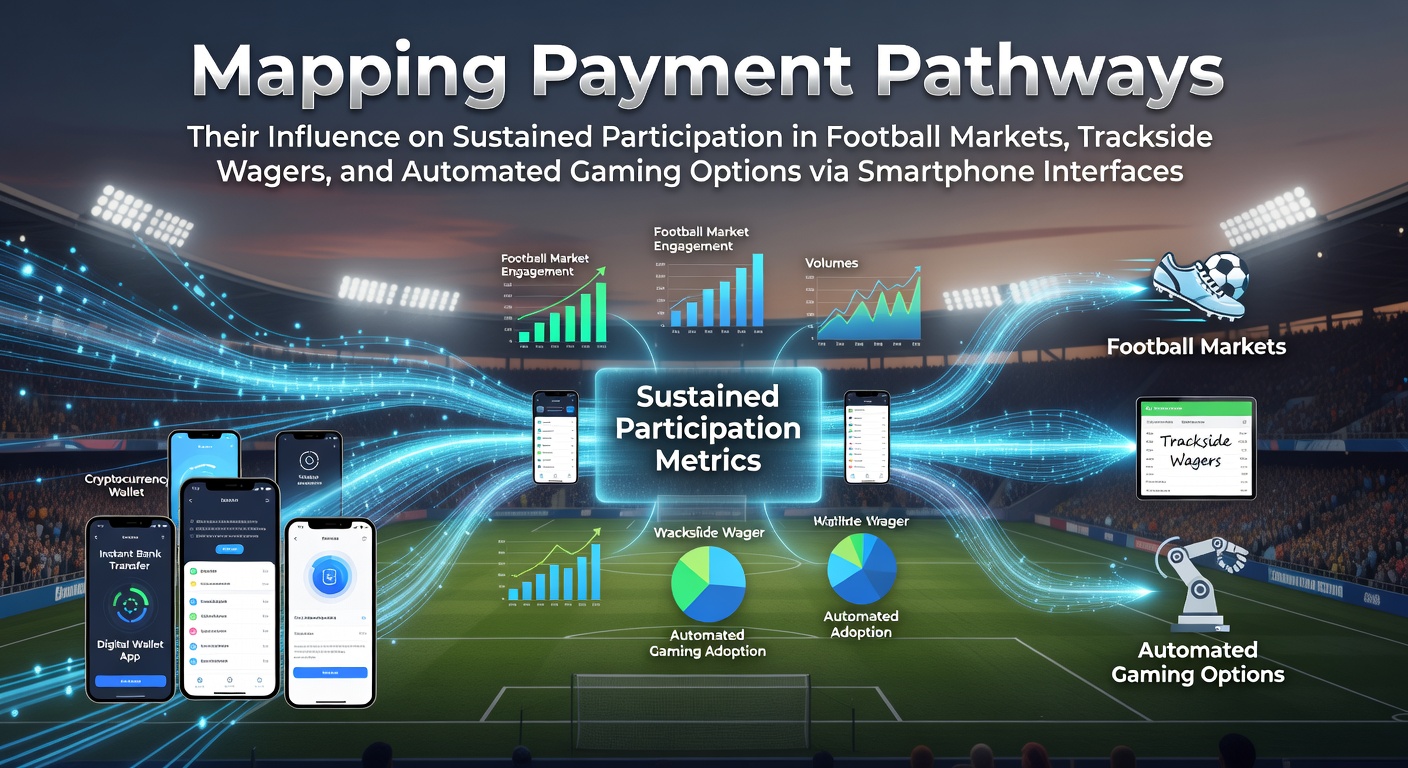
Payment pathways have become central to how users maintain activity in football markets, trackside wagers, and automated gaming options accessed through smartphone interfaces, with data from multiple jurisdictions revealing patterns of sustained engagement tied directly to transaction speed and method availability. Observers note that when deposits and withdrawals process instantly via integrated mobile wallets, participation rates in soccer betting, horse racing odds, and slot features tend to remain higher over extended periods compared to slower traditional banking routes. Research from the American Gaming Association indicates that mobile users who rely on e-wallets and instant transfer systems show longer session durations across combined sports and casino products, while those limited to card-based methods often reduce activity after initial trials. This holds true even as operators adjust to regulatory shifts, including the planned closures of around 200 William Hill betting shops scheduled for May 2026 due to tax pressures, which have accelerated migration toward smartphone-based platforms where payment friction is minimized.Payment Integration Patterns Across Product Types
Analysts tracking user behavior find that platforms offering unified payment dashboards allow seamless movement between football markets, trackside wagers, and automated gaming options without separate logins or funding steps, which correlates with higher retention metrics. Data compiled by the European Gaming and Betting Association shows that cross-product funding options, such as shared digital wallets supporting both live soccer in-play bets and horse racing accumulators, reduce drop-off rates during transitions between different wager types.
Those who study mobile interfaces report that automated gaming options benefit particularly from one-click deposit features, since users can fund slot sessions immediately after placing trackside bets without leaving the app environment. In regions like Australia, figures from the Victorian Commission for Gambling and Liquor Regulation reveal similar trends where instant payment pathways help maintain activity levels in equine events and casino-style games accessed via smartphones, especially among users who previously relied on physical retail outlets.
Regional Variations in Transaction Methods and Retention
Payment pathway preferences vary by region, yet the underlying influence on sustained participation remains consistent where speed and reliability improve. In North American markets, operators have documented increased repeat engagement in football betting when users link bank accounts directly to apps for near-instant transfers, whereas delays from legacy card processors coincide with reduced weekly activity.
European operators have observed that regulatory-approved e-wallet solutions support continued involvement across soccer markets and automated gaming by enabling micro-transactions that align with smaller, more frequent wagers on both live events and slot features. Meanwhile, data from Canadian provincial regulators highlights how smartphone apps incorporating multiple currency options and instant verification keep users active in trackside wagers even during off-peak racing seasons.
Impact of Shop Closures and Mobile Migration in 2026
The upcoming May 2026 closure of William Hill locations has already prompted operators to emphasize mobile payment pathways as a way to retain customers shifting away from retail environments. Industry reports note that users who adopt smartphone interfaces with streamlined deposit systems maintain higher overall betting volumes across football, racing, and casino products than those who do not transition smoothly.
Transaction logging from major platforms indicates that once users establish preferred payment routes on their devices, the likelihood of sustained participation increases because funding barriers for combining soccer bets with horse racing accumulators or automated spins decrease significantly. This pattern appears independent of promotional activity and instead ties more closely to the technical reliability of the pathways themselves.
Conclusion
Mapping these payment pathways reveals clear connections between transaction efficiency and long-term user activity in football markets, trackside wagers, and smartphone gaming options, with evidence from diverse regulatory sources supporting the role of instant mobile funding in reducing disengagement. As operators prepare for structural changes such as the 2026 retail adjustments, the focus on integrated payment systems continues to shape how participation persists across product categories.