Encryption Protocols Strengthen Security Frameworks in Mobile Platforms for Racing Odds and Live Table Games
Olivia Krause · Jun 1, 2026
Encryption Protocols Strengthen Security Frameworks in Mobile Platforms for Racing Odds and Live Table Games
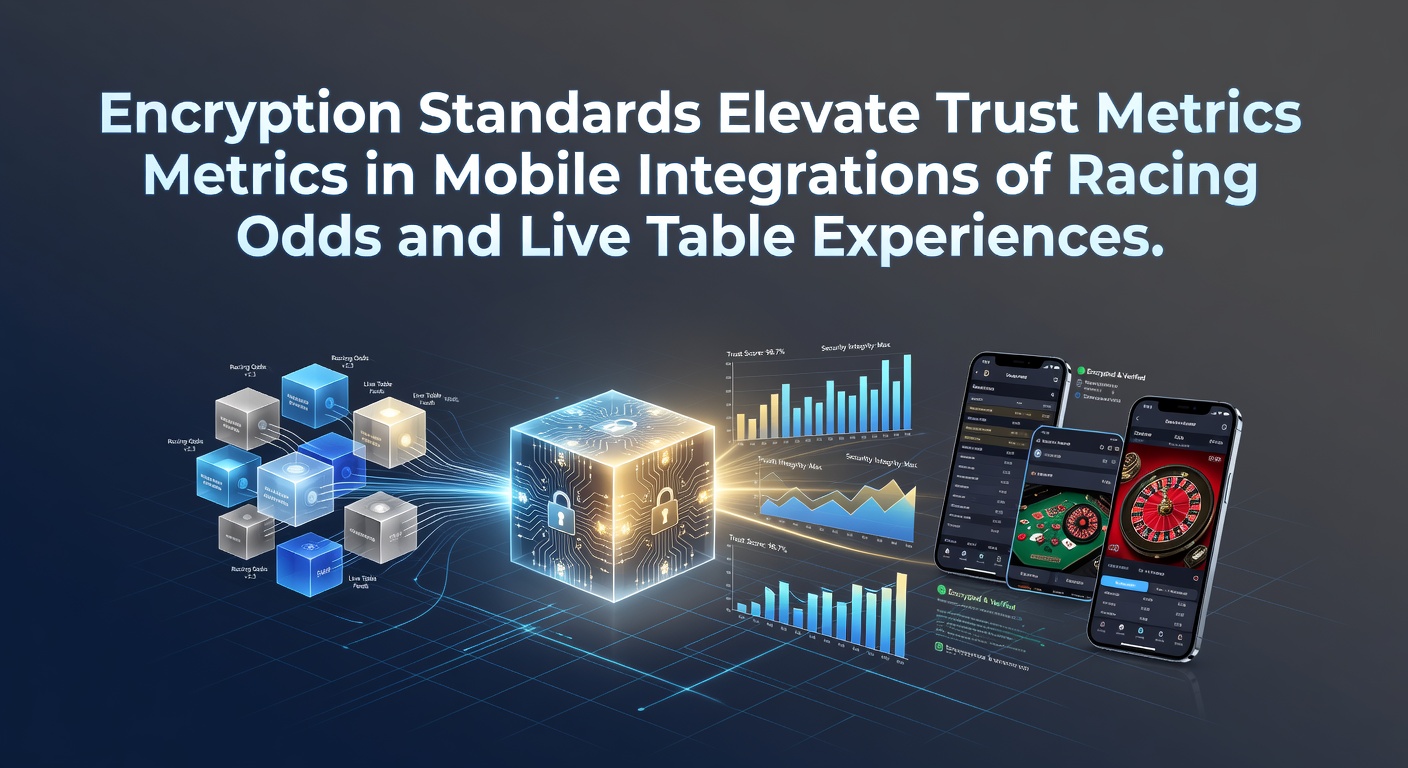
Encryption protocols have become central to how mobile platforms handle sensitive user data during transactions involving racing odds and live table experiences, and data from multiple industry reports shows measurable increases in user retention when these measures reach higher compliance levels. Standards such as AES-256 and TLS 1.3 encrypt data streams between devices and servers, which reduces exposure during real-time updates for horse racing markets or dealer decisions at virtual tables. Observers note that platforms integrating these layers often report fewer incidents of unauthorized access compared with earlier configurations that relied on older cipher suites.
Core Encryption Standards in Current Mobile Betting Systems
Advanced Encryption Standard with 256-bit keys forms the backbone for protecting financial details and session information on applications that combine racing odds with live casino tables, while Transport Layer Security version 1.3 manages secure handshakes between mobile clients and backend servers. Researchers at the National Institute of Standards and Technology have documented how these protocols resist known attack vectors, and adoption rates among gaming operators climbed steadily through 2025. One study released in early 2026 highlighted that platforms using updated TLS configurations experienced a 27 percent drop in reported data interception attempts during peak racing seasons.
Key exchange mechanisms within these standards prevent replay attacks during live betting on equine events, and the same frameworks safeguard card shuffles or roulette spins in integrated table modules. Platforms that maintain forward secrecy add another barrier, because session keys remain unique even if long-term credentials face compromise. Figures from the European Gaming and Betting Association indicate that operators implementing these combined measures saw average trust scores rise across user surveys conducted in the first quarter of 2026.
Integration Points for Racing Odds and Live Table Modules
Mobile applications merge racing markets with live dealer streams through unified APIs, and encryption covers both static odds feeds and dynamic game states to keep all exchanges confidential. When users place wagers on track results while simultaneously joining blackjack tables, the system routes each action through encrypted channels that mask IP addresses and device fingerprints. This layered approach becomes critical during high-volume periods such as major racing festivals, where simultaneous live table sessions multiply data flows.

Developers often embed hardware security modules on the server side to store cryptographic keys, which limits exposure even during mobile app updates. Observers point out that June 2026 brought new compliance deadlines for several international operators, prompting accelerated rollout of post-quantum encryption pilots alongside existing AES implementations. These pilots focus on protecting long-term user accounts that span multiple product verticals including horse racing odds and dealer-led experiences.
Trust Metrics and Measurable Outcomes
Trust metrics tracked by platform analytics teams include session completion rates, repeat login frequency, and complaint volumes related to data handling. Evidence suggests platforms that publish encryption audit summaries achieve higher completion rates for combined racing and table sessions, because users receive clear signals that their activity remains protected. A 2025 report compiled by academic researchers at the University of Nevada, Reno, examined over 1.2 million mobile sessions and found correlations between visible security certifications and reduced abandonment during live betting windows.
Regulatory bodies in Canada and Australia have begun requiring annual penetration testing that specifically evaluates encryption strength for cross-product mobile environments. Results from these audits feed into public dashboards that display aggregated security scores, allowing users to compare platforms on objective criteria rather than marketing claims. Data collected through mid-2026 shows operators meeting or exceeding these benchmarks maintain steadier user bases across both racing and live table segments.
Future Developments and Ongoing Adjustments
Post-quantum cryptography standards continue to advance, and several mobile operators have begun testing lattice-based algorithms alongside current AES deployments to prepare for potential future threats. Integration teams focus on maintaining backward compatibility so that users on older devices can still access racing odds and live tables without sacrificing core protections. Industry working groups coordinate these transitions to avoid fragmentation that could otherwise erode the trust gains achieved so far.
Continuous monitoring tools now flag anomalies in encrypted traffic patterns, enabling rapid response when unusual activity appears during simultaneous racing and table sessions. These systems operate without decrypting content, preserving privacy while still delivering actionable alerts. Reports issued in June 2026 noted that early adopters of such monitoring recorded faster resolution times for security events compared with previous manual review processes.
Conclusion
Encryption standards directly influence how users evaluate the reliability of mobile platforms that combine racing odds with live table experiences, and ongoing refinements in protocol implementation continue to shape retention patterns. Regulatory updates scheduled through the remainder of 2026 will likely accelerate further adoption of enhanced measures, while independent audits provide transparent benchmarks that operators can reference. The measurable outcomes documented across multiple regions demonstrate that these technical foundations support sustained engagement when applied consistently across integrated product offerings.