Diverse Transaction Methods Strengthen Loyalty in Mobile Platforms Merging Football Wagers, Horse Racing, and Slot Features
Taylor Wolf · May 21, 2026
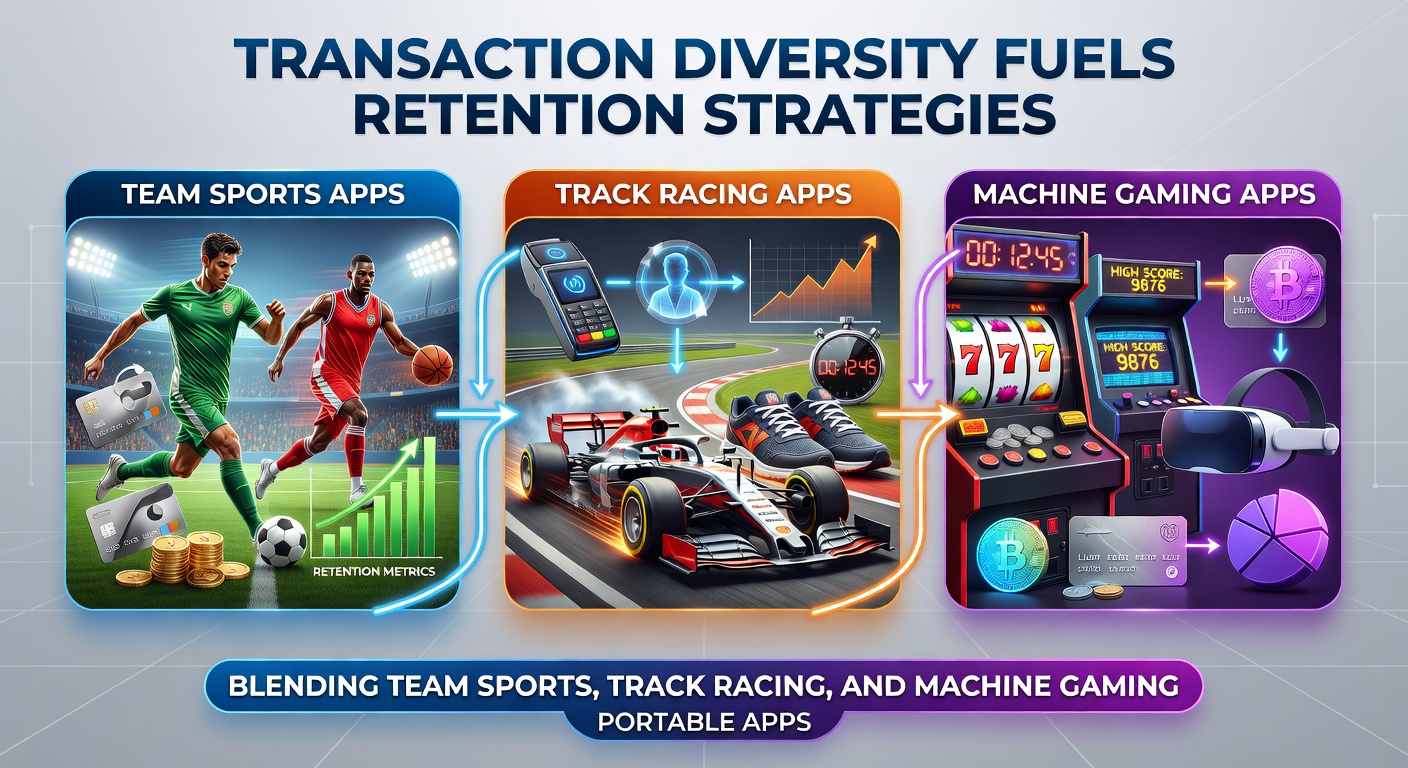
Diverse Transaction Methods Strengthen Loyalty in Mobile Platforms Merging Football Wagers, Horse Racing, and Slot Features
Portable applications now combine wagers on team sports such as football, track racing events including horse competitions, and machine gaming formats like slots into single user experiences, and varied transaction methods play a central role in maintaining engagement across these categories. Operators integrate bank transfers, e-wallets, card payments, and digital currencies to match user preferences, which data indicates supports longer session durations and repeat activity throughout the calendar year.
Unified Platforms Reshape Betting Access
Users navigate football matches, equine races, and automated games without switching applications because developers consolidate interfaces and transaction flows into streamlined designs. Payment variety reduces friction during deposits and withdrawals, allowing participants to move funds between different wager types in one environment. Studies from academic institutions show that platforms offering multiple funding routes record higher return rates compared with those limited to fewer options, particularly when users shift from live sports events to machine-based sessions.
Transaction logs reveal patterns where individuals who employ at least three distinct methods maintain accounts active for extended periods, while single-method users exhibit quicker drop-off after initial trials. This holds across regions where operators adapt to local banking habits and regulatory frameworks without restricting core functionality.
Payment Flexibility Supports Cross-Category Play
Football bettors often begin with match-day deposits via instant cards yet later explore track racing using accumulated balances transferred through e-wallets, and machine gaming benefits when residual funds convert quickly into spins. Operators track these movements and adjust promotional structures accordingly, such as tiered rewards triggered by cumulative transaction volume rather than isolated activity. Evidence from industry analyses points to retention improvements when users access seamless transfers between product verticals without additional verification steps each time.
Data Patterns in Retention Metrics
Figures compiled by research groups highlight that diversified transaction ecosystems correlate with sustained participation levels even during seasonal lulls in major sporting calendars. One analysis released by the American Gaming Association noted increased monthly active accounts on platforms that introduced cryptocurrency options alongside traditional rails, particularly among users who alternate between team sports bets and slot features. Similar observations appear in reports covering European markets where instant wallet solutions link horse racing odds directly to live dealer environments.
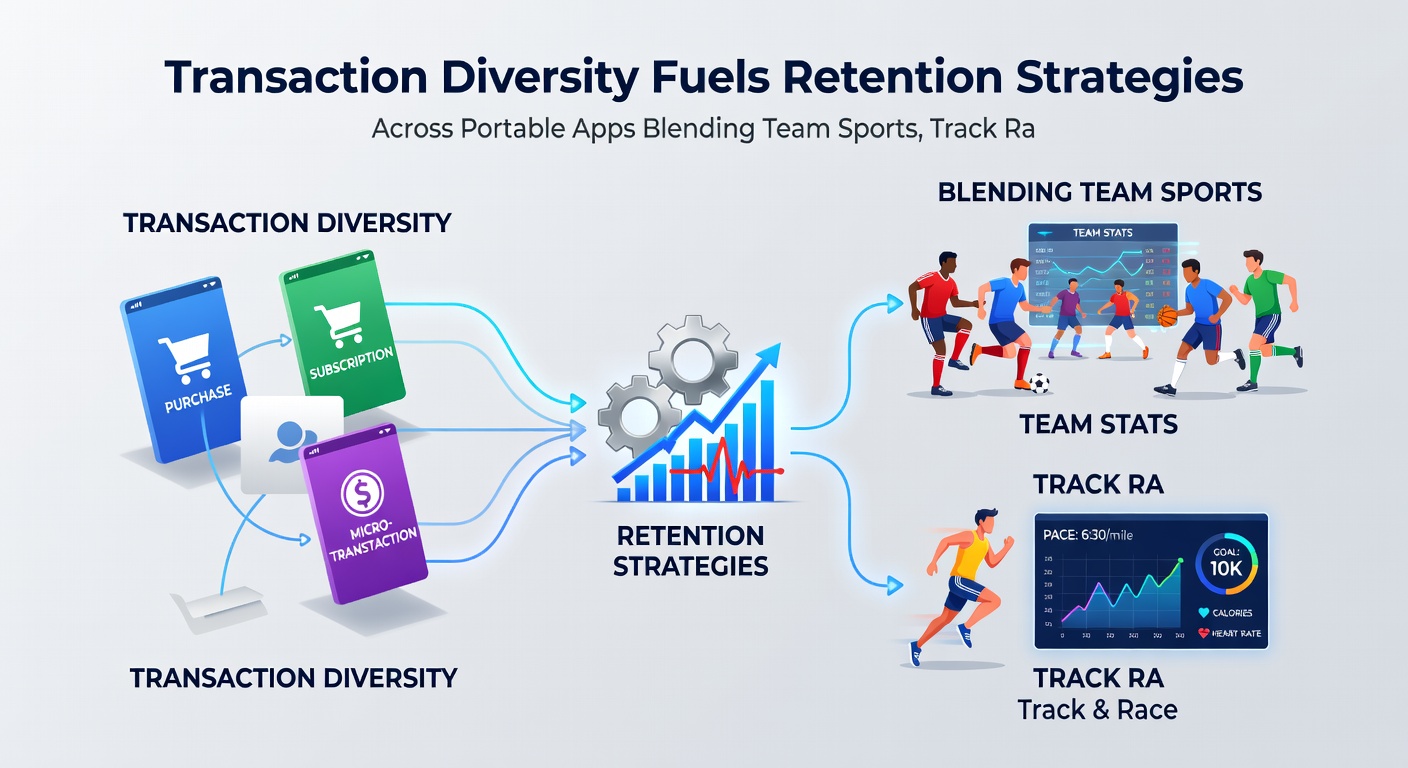
Those monitoring user behavior observe that withdrawal speed influences decisions to remain engaged, and platforms supporting multiple payout channels experience fewer dormant accounts. When restrictions arise around one method, alternative routes keep activity flowing toward remaining wager types instead of prompting complete exits.
Regulatory Developments and Platform Adjustments
Changes scheduled for May 2026 in several jurisdictions introduce updated tax structures and licensing requirements that affect how operators structure transaction fees and promotional credits. Platforms respond by expanding accepted methods to offset potential cost increases passed to users, thereby preserving engagement across football, racing, and machine gaming sections. Industry organizations report early testing of hybrid payment models that blend regulated banking channels with emerging digital assets to maintain compliance while minimizing interruptions.
Operators also monitor cross-border user flows, adjusting transaction support to accommodate travelers who encounter different local restrictions yet expect continuity in their preferred apps. This approach helps sustain activity levels when participants move between regions with varying rules on deposit limits or verification timelines.
Examples of Integrated Retention Tactics
Take platforms that trigger loyalty multipliers based on total transaction diversity rather than single-product volume, which encourages users to sample horse racing after football sessions and then continue into slot rounds using the same funded balance. Another approach involves automated suggestions that route unused deposits toward underutilized categories, supported by data showing elevated completion rates for such nudges when payment histories already span multiple verticals. Observers note these tactics produce measurable lifts in weekly engagement figures without requiring separate marketing campaigns for each wager type.
University-led examinations of mobile gambling behavior further confirm that transaction flexibility reduces barriers during peak periods, such as major racing festivals or tournament weekends, where users frequently alternate between live odds and automated games within short timeframes.
Conclusion
Transaction diversity functions as a foundational element in retention strategies for portable applications that integrate team sports, track racing, and machine gaming, with available metrics demonstrating clearer links between payment variety and sustained user activity. As platforms continue adapting to regulatory shifts including those arriving in May 2026, operators that prioritize flexible funding and withdrawal options position themselves to maintain broader participation across all offered categories. Continued examination of transaction patterns provides operators with actionable insights for refining these approaches over time.