Aligning Patterns and Offers: Predictive Approaches in Horse Events and Digital Slots
Kai Perry · Aug 17, 2026

Aligning Patterns and Offers: Predictive Approaches in Horse Events and Digital Slots
Operators in equine wagering and digital reel platforms now apply predictive modeling to match historical betting sequences with personalized promotional structures, and this practice has expanded notably through 2026. Data from multiple jurisdictions shows that algorithms analyze past stake volumes, frequency patterns, and outcome preferences to generate time-sensitive offers that adjust in real time across mobile interfaces.
Studies conducted by the Australian Gambling Research Centre indicate that platforms processing equine event data alongside reel-based activity achieve higher retention when models incorporate variables such as race distance preferences and session length from prior months. These systems process large datasets to forecast which users respond to free spin allocations versus stake multipliers during upcoming race meetings.
Core Mechanisms Behind Pattern Recognition
Teams deploy machine learning frameworks that segment user cohorts according to metrics including average wager size per equine event and reel spin velocity during peak hours, while cross-referencing those figures against external factors like track conditions and seasonal event calendars. One industry report from the Nevada Gaming Control Board highlights that such segmentation allows dynamic structures to shift from bonus credits on live races to reel feature unlocks within the same account session.
Algorithms track sequences such as consecutive losses on specific horse categories or clustered wins on particular reel themes, and they trigger tailored reload incentives that activate only when those patterns repeat within defined windows. This approach relies on supervised learning techniques trained on anonymized transaction logs spanning multiple calendar quarters.
Integration Across Equine and Reel Environments
Platforms increasingly unify data streams from live horse racing feeds with reel outcome histories, creating unified profiles that inform offer deployment across both verticals. Evidence from the Canadian Centre on Substance Use and Addiction reveals that users engaging in mixed activity receive sequenced promotions, such as a post-race deposit match that unlocks additional reel spins if the equine bet meets a minimum threshold.
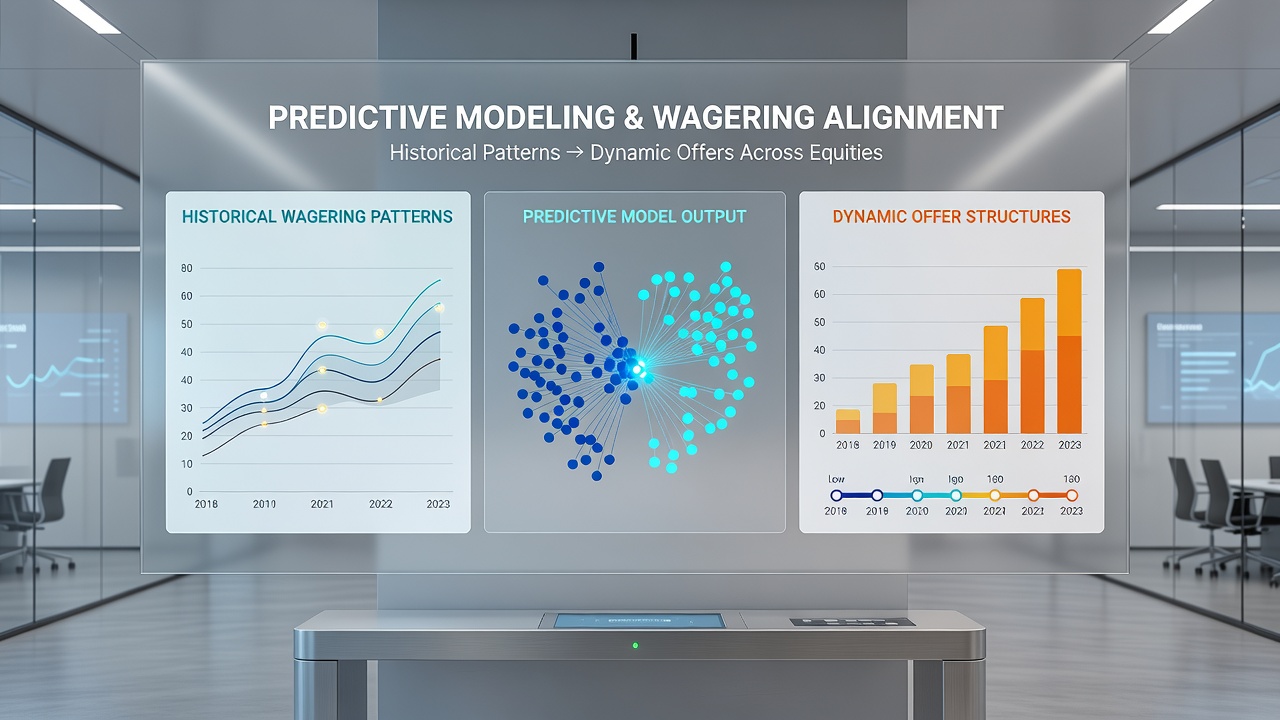
August 2026 updates to several operator systems introduced real-time API connections between racing data providers and reel engines, enabling models to adjust offer values based on live odds fluctuations and concurrent reel jackpot levels. Those integrations reduce latency between pattern detection and offer presentation to under three seconds on most mobile applications.
Regulatory and Technical Considerations
Jurisdictions outside the UK maintain separate oversight frameworks that require transparency in how historical data influences promotional targeting. The New Zealand Department of Internal Affairs requires operators to document model inputs and allow independent audits of fairness in dynamic structures applied to both equine and reel products. Compliance documentation typically includes details on data retention periods and exclusion criteria for vulnerable cohorts.
Technical implementations often combine gradient boosting methods with recurrent neural networks to handle sequential betting behavior, and vendors report that these combinations improve prediction accuracy for offer acceptance rates by measurable margins compared to rule-based systems alone. External validation from academic sources such as the International Center for Gaming Regulation confirms that hybrid models maintain performance stability across varying market volatilities.
Future Trajectory and Measurement
Performance indicators tracked by industry bodies include conversion rates from modeled offers into completed wagers and average session duration following receipt of a personalized incentive. Figures released in mid-2026 demonstrate consistent uplift when models incorporate both equine event variables and reel engagement metrics within the same predictive layer.
Operators continue to refine feature sets that allow users to view the rationale behind received offers, fulfilling emerging transparency standards across multiple regions. Ongoing collaboration between data scientists and compliance teams ensures that alignment processes respect jurisdictional boundaries while delivering measurable engagement outcomes.
Conclusion
Predictive modeling now serves as the operational backbone connecting historical wagering records with responsive offer frameworks in equine events and digital reel platforms, and adoption rates have accelerated through 2026. Continued refinement of these systems depends on access to high-quality datasets and adherence to region-specific reporting requirements that prioritize user protection alongside commercial objectives.